
The intestine as a key organ for immunity, energy and the psyche
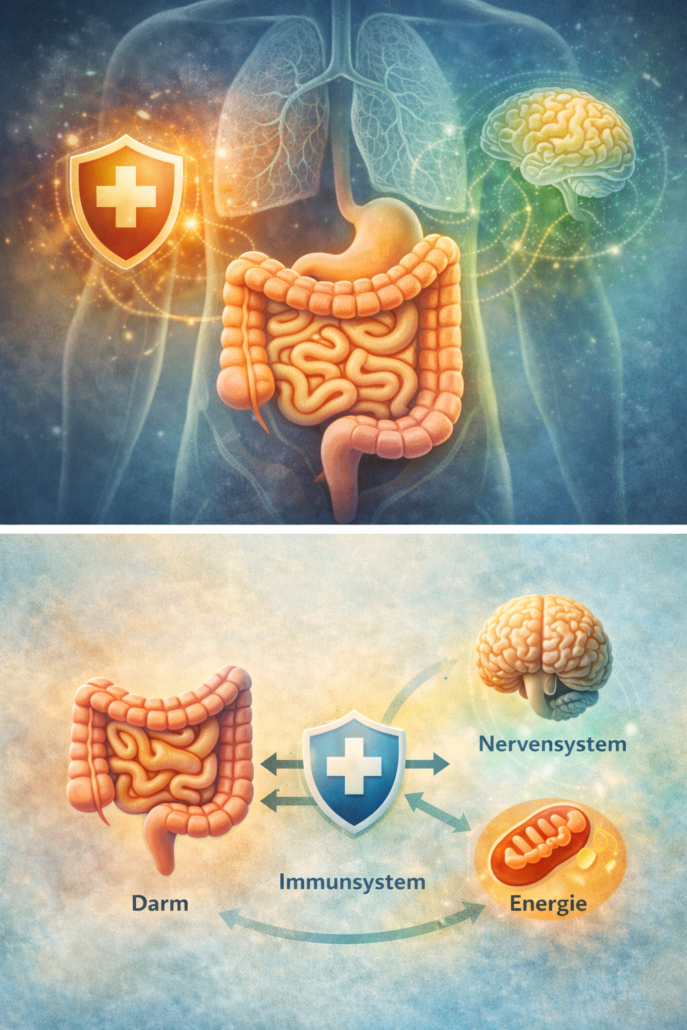
The intestine is often still reduced to its digestive function. In fact, it is one of the most central regulatory organs of the human body – with far-reaching influence on the immune system, energy production, hormone balance and mental stability.
In functional medicine, the gut is therefore not regarded as an isolated organ, but as a key point of systemic health.
Why the intestine is much more than just a digestive organ
The intestine fulfills several essential tasks at the same time:
- Absorption and processing of nutrients
- Defense against pathogens
- Communication with the immune system
- Signal transmission to the nervous system
Even minor disturbances can therefore cause far-reaching symptoms – even outside the gastrointestinal tract.
The gut and the immune system
Around 70-80% of the immune system is located in the gut-associated lymphatic tissue. The composition of the microbiome and the integrity of the intestinal mucosa play a key role in determining whether the immune system reacts tolerantly or overreactively.
Possible consequences of an imbalance:
- Increased susceptibility to infections
- Chronic inflammation
- Autoimmune processes
- Food intolerances
Intestine, energy balance and mitochondrial function
A healthy intestinal mucosa is a prerequisite for the sufficient absorption of micronutrients, which are essential for energy production in the mitochondria.
If intestinal function is impaired, functional deficiencies can occur despite adequate intake – with consequences such as
- Exhaustion
- Drop in performance
- Reduced resilience
The gut-brain axis: influence on mood and stress regulation
The gut is in constant communication with the central nervous system. It influences mood, stress processing and emotional stability via neuronal, hormonal and immunological signaling pathways.
A disturbed gut-brain axis can, among other things, promote:
- inner restlessness
- Sleep disorders
- depressive moods
- Stress intolerance
This makes it clear why gut health in holistic medicine is always also a nervous system issue.
Interim conclusion
The intestine is a central control organ for health. It influences immunity, energy production and mental stability in equal measure. Sustainable treatment of chronic complaints is often not possible without taking intestinal function into account.
Frequently asked questions from practice
Can a disturbed bowel really cause systemic symptoms?
Yes, an intestinal imbalance can trigger a variety of complaints throughout the body via the immune system, the metabolism and the gut-brain axis.
Why do intestinal problems often not show up in the standard laboratory?
Many functional disorders affect the mucosa, the microbiome or regulatory processes that are not mapped in conventional routine diagnostics.
For whom is holistic bowel diagnostics useful?
Especially for people with chronic complaints, exhaustion, recurring infections, autoimmune diseases or stress-related symptoms.
Holistic health support in my practice
Stable gut health forms the basis for immune balance, energy and mental resilience. In my practice, I support you in recognizing functional connections and treating them in a targeted manner.