
Pathogenese vs. Salutogenese: Zwei Perspektiven auf Gesundheit
und Krankheit
In holistic internal medicine, we view health not just as the absence of illness, but as a dynamic balance of physical, mental and social factors. We have two fundamental concepts at our disposal to understand this complex process: Pathogenesis and salutogenesis. In this article, we would like to highlight the differences and similarities between these approaches and show how they can be meaningfully combined in a holistic therapy.

What is pathogenesis?
The concept of pathogenesis describes the origin and development of diseases. It focuses on which factors cause diseases, how they manifest themselves and which processes take place in the body when we fall ill. Pathogenesis is deeply rooted in Western medicine and forms the basis for many diagnostic and therapeutic approaches.
Typical questions in the context of pathogenesis are:
- What caused the disease? (e.g. viruses, bacteria, genetic factors)
- What are the symptoms and how can they be treated?
- Which medications or interventions can stop or alleviate the course of the disease?
This approach has undeniable advantages, especially in acute situations. For example, if an infection or injury needs to be treated, pathogenesis provides concrete and often life-saving solutions.
What is salutogenesis?
Salutogenesis, on the other hand, a concept developed by medical sociologist Aaron Antonovsky, is dedicated to the question: What keeps us healthy? Instead of focusing on the causes of illness, salutogenesis examines how people can stay healthy or even promote their health despite stress, strain or health challenges.
Important elements of salutogenesis are
- Sense of coherence: The ability to experience life as understandable, manageable and meaningful.
- Resource orientation: What physical, emotional and social resources are available to a person to stay healthy?
- Resilience: The inner resistance that enables us to deal with crises and emerge stronger from them.
Salutogenesis therefore focuses on strengthening and prevention. It opens up new ways to promote long-term health instead of just preventing illness.
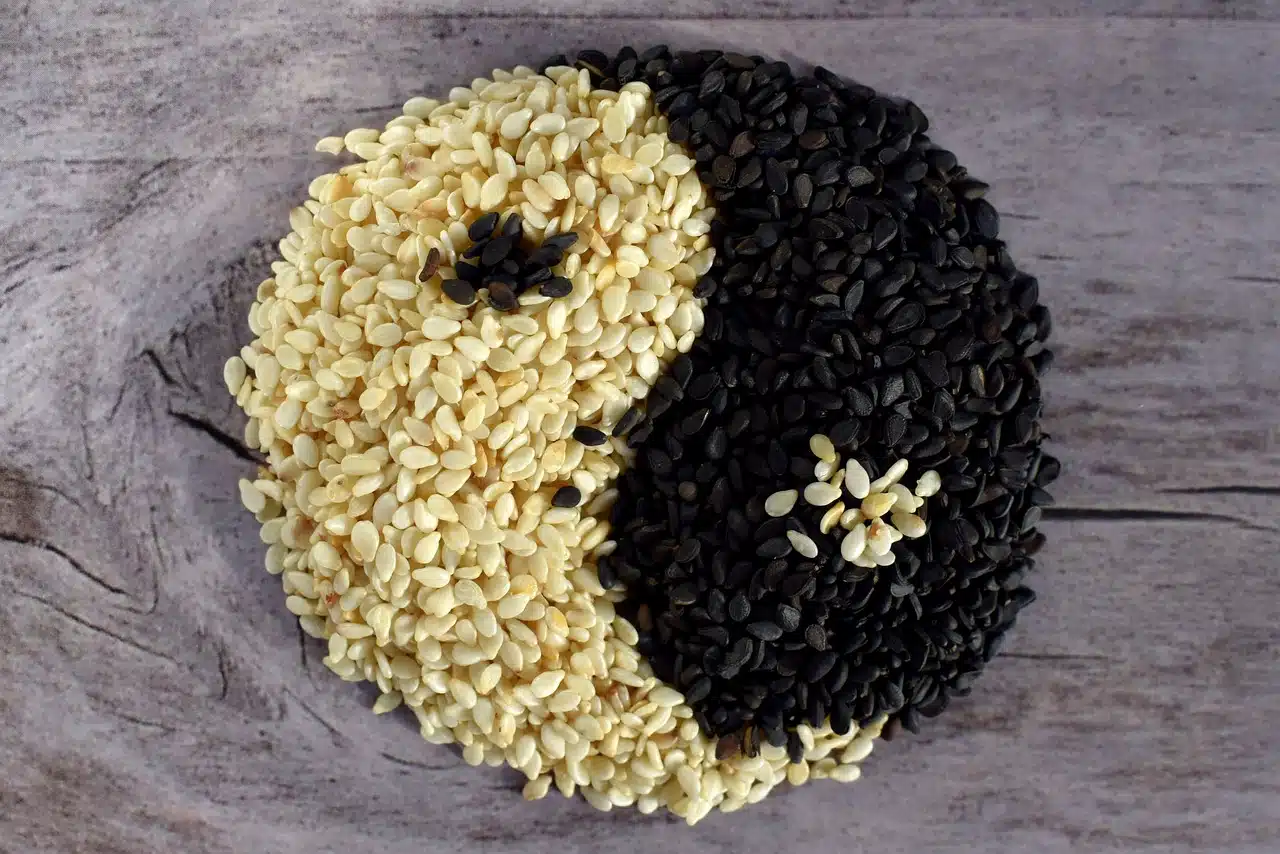
Pathogenesis and salutogenesis: opposites or partners?
At first glance, pathogenesis and salutogenesis appear to be opposites. However, in my practice for holistic internal medicine, they complement each other perfectly. Both perspectives are necessary in order to understand and treat people as a whole:
- Pathogenesis provides diagnoses and specific interventions that are necessary to treat acute or chronic diseases.
- Salutogenesis creates the basis for sustainable health by helping patients to recognize and use their resources in order to remain healthy in the long term.
For example, in a patient with cardiovascular disease, pathogenesis is used to diagnose the organic causes and treat them with medication or interventions. At the same time, salutogenesis offers the opportunity to create the basis for stable health through lifestyle changes, stress management and the development of social support.
How I combine both approaches in my practice
In my private practice for holistic internal medicine, I combine the strengths of pathogenesis and salutogenesis to offer you individual and sustainable health care. The focus is on you as a person – with all your physical, emotional and social aspects.
My approach includes:
- Detailed diagnostics: I use state-of-the-art procedures to identify and treat diseases in a targeted manner.
- Holistic advice: Together we develop strategies to strengthen your health and improve your quality of life.
- Prevention and promoting resilience: I help you to activate and use your resources through workshops, coaching and individual programs.

Conclusion
Pathogenesis and salutogenesis are not opposites, but two sides of the same coin. Successful treatment and health promotion requires both perspectives: the scientifically sound analysis of illness and the resource-oriented strengthening of health. In my practice, I am committed to optimally combining these two approaches – for your well-being and your health.
Do you have any questions or would you like to find out more about how I can support you on your path to better health and quality of life? Please feel free to contact me! I look forward to hearing from you.